Criterion 8 – Output and Outcomes
Requirements for AUNQA Criterion 8
8.1 Pass and dropout rates
The pass rate, dropout rate, and average time to graduate are shown to be established, monitored, and benchmarked for improvement.
Diagnostic questions
- Does the programme have an efficient system to monitor the pass rates and dropout rates of students?
- What does the programme think of the pass rates? If not satisfactory, what measures are taken to improve the pass rates?
- What is the dropout rate? Are there explanations for the dropout rate?
- Does the department know where the dropout students go to?
- What does the department think of the average time to graduate?
- What measures have been taken to promote graduation and to shorten the average time to graduate?
- What effects do these measures have?
8.2 Employability
Employability as well as self-employment, entrepreneurship, and advancement to further studies, are shown to be established, monitored, and benchmarked for improvement.
Diagnostic questions
- What percentage of graduates find a job within six months of graduation over the past five years? What percentage of graduates found a job within one year of graduation?
- What percentage of graduates are still unemployed one year after graduation?
- Do the graduates get jobs easily? What are the career prospects of the graduates over the last five years?
8.3 Research and creative work
Research and creative work output and activities carried out by the academic staff and students, are shown to be established, monitored, and benchmarked for improvement.
Diagnostic questions
- What types of research activities are carried out by the students? Are these activities aligned to the expected learning outcomes and the vision and mission of the university and faculty?
- What types of research activities are carried out by academic staff? Are these activities aligned to the vision and mission of the university and faculty?
- What is the level of research grants and how is it utilised?
- What is the number of research papers published? Are the research papers published in national, regional, and/or international journals?
8.4 Outcomes achievement
Data are provided to show directly the achievement of the programme outcomes, which are established and monitored.
Diagnostic questions
- Is the quality of the graduates satisfactory?
- Do the achieved standards match the expected standards?
8.5 Stakeholders’ satisfaction
Satisfaction level of the various stakeholders are shown to be established, monitored, and benchmarked for improvement.
Diagnostic questions
- What mechanisms are available for staff to express their satisfaction or dissatisfaction about the programme, resources, facilities, processes, policies, etc?
- What indicators are used to measure and monitor the satisfaction level of staff?
- What initiatives are carried out to raise the satisfaction level of staff? Are they effective?
- Does the department know what students think about the courses, programme, teaching, examinations, etc?
- How does the department cope with the feedback and complaints from students?
- What is the opinion and feedback of the graduates about the competencies that they have acquired?
- How is feedback from the alumni used to improve the programme?
- Are employers satisfied with the quality of the graduates?
- Are there any specific complaints about the graduates
- Are specific strengths of the graduates appreciated by the employers?
Scoring for TRSU QA
| TRSU QA score | 1 | 2 | 3 | 4 | 5 |
| Items showing QA practice | 1 item | 2 items | 3 items | 4 items | 5 items |
AUNQA scoring rubrics
A seven-point rating scale used for AUNQA assessment is described below.
1. Absolutely inadequate
The QA practice to fulfil the criterion is not implemented.
There are no plans, documents, evidences or results available.
Immediate improvement must be made.
2. Inadequate and improvement is necessary
The QA practice to fulfil the criterion is still at its planning stage or is inadequate where improvement is necessary.
There is little document or evidence available.
Performance of the QA practice shows little or poor results.
3. Inadequate but minor improvement will make it adequate
The QA practice to fulfil the criterion is defined and implemented but minor improvement is needed to fully meet them. Documents are available but no clear evidence to support that they have been fully used. Performance of the QA practice shows inconsistent or some results.
4. Adequate as expected
The QA practice to fulfil the criterion is adequate and evidences support that it has been fully implemented. Performance of the QA practice shows consistent results as expected.
5. Better than adequate
The QA practice to fulfil the criterion is better than adequate. Evidence supports that it (the QA practice) has been efficiently implemented. Performance of the QA practice shows good results and positive improvement trend.
6. Example of best practice
The QA practice to fulfil the criterion is considered to be example of best practices in the field. Evidences support that it has been effectively implemented.
Performance of QA practice shows very good results and positive improvement trend.
7. Excellent (example of world-class or leading practice)
The QA practice to fulfil the criterion is considered to be excellent or is an example of world-class practices in the field. Evidences support that it has been innovatively implemented.
Performance of the QA practice shows excellent results and outstanding improvement trends.
How to write a response to the criterion requirements
- The response should describe a QA practice that the program do to fulfil the criterion. The QA may be a PDCA (plan-do-check-act) process to ensure the quality, and include documentation, evidence and result of the implementation.
- The response should illustrate clearly what the QA mechanisms or instruments are; when, where, by who, and how they are implemented and managed to fulfil the criteria.
- The response should identify and evaluate problems or issues that are not addressed, and indicate how the problems will be dealt with. The diagnostic questions in each of the criterion requirements may help identify the problems.
- To be concise and factual, the response should focus on information or data (or objective evidence) that directly addresses the criteria, and provide trends and statistics to show achievement and performance.
How the QA practice fulfil the criterion
Quality assurance practice should have QA plan that evaluates and may modify organization’s procedures to ensure that they provide the desired results. It includes documentation for the planning, implementation and assessment procedures for a project, process or any QA activity. To fulfil requirement 1.1 Outcomes formulation, for example, the QA plan should provide information to answer the following questions.
- What procedure does the program use to formulate the expected learning outcomes?
- Is a learning taxonomy used to write the statement of LOs? What taxonomy and how is it used?
- Is the taxonomy used for program or course learning outcomes, or both? Why?
- What are the objectives in terms of the quality of the learning outcomes (e.g. transparency, ease of assessment, the extent of alignment, enabling hierarchy, effectiveness, clarity to the stakeholders)?
- What is the process used to ensure that the quality objectives are met?
- What is a method used to measure the achievement of the quality objectives?
Operational Result
8.1 The pass rate, dropout rate, and average time to graduate are shown to be established, monitored, and benchmarked for improvement.
การดำเนินการ
หลักสูตรฯ มีระบบอาจารย์ที่ปรึกษาเพื่อคอยช่วยติดตามผลการเรียนให้นักศึกษาที่ศึกษาในหลักสูตรได้สำเร็จการศึกษาภายในกรอบระยะเวลาที่กำหนด โดยให้อาจารย์ที่ปรึกษาของแต่ละชั้นปีติดตามดูแลเรื่องผลการศึกษาของนักศึกษาที่ตนเองรับผิดชอบเป็นรายบุคคล และพิจารณาหาแนวทางช่วยเหลือให้นักศึกษาสำเร็จการศึกษาตามกรอบระยะเวลาที่กำหนด และหลักสูตรได้มีการกำหนดเกณฑ์การสำเร็จการศึกษาไว้ ดังนี้
- นักศึกษาต้องลงทะเบียนและศึกษาครบตามโครงสร้างหลักสูตรที่กำหนด ไม่น้อยกว่า 121 หน่วยกิต
- นักศึกษาต้องได้ระดับคะแนนเฉลี่ยไม่น้อยกว่า 2.00 ตามระเบียบมหาวิทยาลัยนานาชาติเซนต์เทเรซา ว่าด้วยการศึกษาระดับปริญญาตรี พ.ศ. 2559 และแก้ไขเพิ่มเติม (ฉบับที่ 2) พ.ศ. 2562
- เป็นบุคคลมีความประพฤติดี ไม่ฝ่าฝืนกฎระเบียบ
- ไม่มีภาระหนี้สินกับมหาวิทยาลัยฯ
- นักศึกษาต้องทดสอบความรู้ภาษาอังกฤษและได้คะแนนตามเกณฑ์ที่มหาวิทยาลัยฯ กำหนด
โดยหากนักศึกษามีปัญหาเกี่ยวกับเกณฑ์ข้างต้น ทางอาจารย์ที่ปรึกษาและอาจารย์ประจำหลักสูตรฯ ทุกท่านจะคอยช่วยเหลือ ให้คำแนะนำ ปรึกษาหารือกับทางฝ่ายทะเบียนของมหาวิทยาลัยฯ เพื่อหาทางออกร่วมกัน หรือช่วยแก้ไขปัญหาให้นักศึกษาไม่ให้นักศึกษาออกกลางคัน โดยการปรึกษากับทั้งนักศึกษา ผู้ปกครอง และมหาวิทยาลัยฯ เพื่อร่วมกันแก้ไขปัญหาที่เกิดขึ้นให้กับนักศึกษาแต่ละคน ทั้งนี้หลักสูตรได้เก็บรวบรวมสถิติข้อมูลอัตราการสำเร็จการศึกษาของนักศึกษาทุกปีการศึกษาเพื่อเป็นตัวชี้วัดความสำเร็จในด้านการศึกษาตั้งแต่ปี 2560-2566 ซึ่งจากสถิตินักศึกษามีอัตราการคงอยู่ของนักศึกษาทั้ง 4 ชั้นปี ดังตารางต่อไปนี้
|
ปีการศึกษาที่รับเข้า (ปีการศึกษา 2560 เริ่มใช้หลักสูตร) |
นักศึกษาพ้นสภาพ |
จำนวนนักศึกษาคงอยู่ (จำนวนจริง) |
||||||||
|
2560 |
2561 |
2562 |
2563 |
2564 |
2565 |
2566 |
อัตราการคงอยู่ร้อยละ |
|||
|
2560 |
32 |
3 |
32 |
29 |
29 |
29 |
0 |
0 |
0 |
90.63 |
|
2561 |
34 |
6 |
29 |
22 |
22 |
22 |
1 |
1 |
64.70 |
|
|
2562 |
25 |
3 |
19 |
17 |
16 |
16 |
0 |
64.00 |
||
|
2563 |
13 |
6 |
7 |
7 |
7 |
0 |
53.85 |
|||
|
2564 |
8 |
4 |
4 |
4 |
4 |
50.00 |
||||
|
2565 |
3 |
0 |
3 |
3 |
100.00 |
|||||
|
2566 |
13 |
3 |
10 |
76.92 |
||||||
|
รวม |
23 |
32 |
58 |
70 |
75 |
49 |
30 |
18 |
||
ซึ่งจากตารางจะเห็นได้ว่านักศึกษาสาขาวิชาการควบคุมจราจรทางอากาศสามารถสำเร็จการศึกษาได้ตามกรอบระยะเวลาที่กำหนด แต่มีนักศึกษาเพียง 1 คนของปีการศึกษา 2561 เท่านั้นที่ยังไม่สำเร็จการศึกษา เนื่องเป็นนักศึกษาต่างชาตสัญชาติเกาหลีใต้ และตามกฎหมายของประเทศเกาหลีใต้แล้ว ผู้ชายทุกคนที่มีร่างกายสมบูรณ์แข็งแรงจะต้องเข้ารับการเกณฑ์ทหารเมื่อมีอายุ 20 ปีสมบูรณ์ ดังนั้น นักศึกษาคนดังกล่าวจึงได้กลับไปรับราชการทหารเกณฑ์ที่บ้านเกิด ทำให้ต้องมีการพักการศึกษาไว้ชั่วคราวเป็นระยะเวลา 2 ปี ซึ่งในขณะนี้นักศึกษาคนดังกล่าวได้เสร็จสิ้นภารกิจทางราชการทหารและกลับเข้ามาศึกษาในหลักสูตรเป็นที่เรียบร้อยแล้ว ซึ่งคาดว่าจะสามารถสำเร็จการศึกษาได้ภายในปีการศึกษา 2568
ดังนั้น จึงสามารถสรุปได้ว่าสาขาวิชาฯ ได้มีระบบการจัดการเรื่อง อัตราการสำเร็จการศึกษา การออกกลางคัน และระยะเวลาเฉลี่ยในการสำเร็จการศึกษา เป็นอย่างดีและมีประสิทธิในการติดตามนักศึกษาทุก ๆ ชั้นปี
หลักฐาน
1. รายงานอัตราการคงอยู่ของนักศึกษา
8.2 Employability as well as self-employment, entrepreneurship, and advancement to further studies, are shown to be established, monitored, and benchmarked for improvement.
การดำเนินการ
หลักสูตรได้เก็บรวบรวมข้อมูลของบัณฑิตที่จบการศึกษาภายในสาขาวิชาฯ ทุกปีเพื่อประเมินภาวะการมีงานทำของบัณฑิตหลังสำเร็จการศึกษา
หลักสูตรมีระบบฐานข้อมูลของนักศึกษาที่สำเร็จการศึกษา และติดตามความก้าวหน้าหลังสำเร็จการศึกษา เพื่อจะได้ทราบถึงภาวะการมีงานทำของบัณฑิตหลังจบการศึกษา และเพื่อการสอบถามถึงคุณภาพของบัณฑิตจากผู้ประกอบการ เพื่อนำคำแนะนำหรือข้อเสนอแนะมาปรับปรุงและแก้ไขภายในหลักสูตรฯ โดยภาวะการมีงานทำของบัณฑิตสาขาวิชาการควบคุมจราจรทางอากาศตั้งแต่ปี 2563-2565 มีรายละเอียด ดังนี้
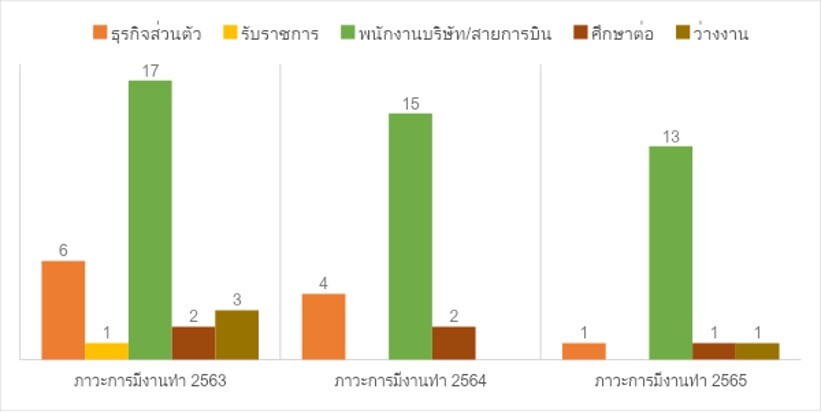
ภาวะการมีงานทำของบัณฑิต 2563-2565
ซึ่งถือได้ว่าบัณฑิตที่สำเร็จการศึกษาสาขาวิชาการควบคุมจราจรทางอากาศ มีอัตราภาวะการมีงานทำที่สูงเกินร้อยละ 70 ของแต่ละปีการศึกษา
หลักฐาน
8.3 Research and creative work output and activities carried out by the academic staff and students, are shown to be established, monitored, and benchmarked for improvement.
การดำเนินการ
หลักสูตรมีการวางแผนด้านการวิจัย นวัตกรรม และประชุมติดตามการทำงานวิจัยและนวัตกรรมของอาจารย์ตั้งแต่ก่อนเปิดปีการศึกษา เพื่อต้องการทราบถึงความต้องการในการทำวิจัย และนวัตกรรมของอาจารย์ โดยในปีการศึกษา 2566 อาจารย์ อมรเทพ อินทศร และ อาจารย์ เคน ตัณฑสุวรรณ ได้จัดทำวิจัยขึ้นมา 2 เรื่อง คือ
- การจัดการพื้นที่สาธารณะการให้บริการของท่าอากาศยานนานาชาติอู่ตะเภา (ระยอง-พัทยา) หรือ Management of Public Area Services at U-Tapao International Airport (Rayong-Pattaya)
- ปัจจัยสู่ความสำเร็จด้านอาชีพของเจ้าหน้าที่ควบคุมจราจรทางอากาศ กรณีศึกษา โรงเรียนการบินเอกชนแห่งหนึ่ง หรือ THE FACTORS OF SUCCESS IN AIR TRAFFIC CONTROL CAREER A CASE STUDY OF A PRIVATE SCHOOL
พร้อมกันนี้ทางสาขาวิชาฯ ได้ส่งตัวแทนนักศึกษาเข้าร่วม โครงการส่งเสริมและพัฒนาทักษะด้านการบินครั้งที่ 1 Safety and Innovation หัวข้อ การบูรณาการนิรภัยการบินด้วยนวัตกรรม ซึ่งดำเนินการจัดโครงการโดยสถาบันการบินพลเรือนในระหว่างวันที่ 7, 11 และ 12 กรกฎาคม 2566 ที่ผ่านมา เพื่อเพิ่มพูนแลกเปลี่ยนประสบการณ์ ความรู้ และทักษะในด้านนิรภัยการบิน และเพื่อเป็นการร่วมมือแลกเปลี่ยนองค์ความรู้ ระหว่างสถาบันต่าง ๆ ด้านการบินทั่วประเทศ โดยมีการจัดการแข่งเกี่ยวกับนวัตกรรมและเทคโนโลยีที่เกี่ยวข้องกับการด้านบิน และตัวแทนนักศึกษาชั้นที่ 3 และ 4 ของสาขาวิชาการควบคุมจราจรทางอากาศได้ใช้ความรู้ที่เรียนมานำมารังสรรค์เป็นผลงานนวัตกรรมด้านความปลอดภัยในการจัดการสภาวะอันตรายจากนกในด้านผู้ให้บริการด้านการบินพลเรือนและได้รับรางวัลร่วมกับสถาบันอื่นมาทั้งสิ้น 3 รางวัล ได้แก่
- รางวัลชนะเลิศอันดับที่ 1
- รางวัลรองชนะเลิศอันดับที่ 1
- รางวัล Popular Vote
ซึ่งถือได้ว่ากิจกรรมนี้เป็นกิจกรรมที่สามารถดึงประสิทธิภาพ ความสามารถของนักศึกษาด้านความคิดสร้างสรรค์และการรังสรรค์นวัตกรรมใหม่ ๆ ออกมาใช้ได้อย่างเต็มที่ และถือเป็นผลงานความสำเร็จอีกอย่างหนึ่งของสาขาวิชาฯ กับทางมหาวิทยาลัยฯ ด้านผลลัพธ์การเรียนรู้ของนักศึกษาอีกด้วย
หลักฐาน
- ผลงานวิจัยปีการศึกษา 2566
- โครงการส่งเสริมและพัฒนาทักษะด้านการบินครั้งที่ 1 Safety and Innovation
- โครงการต่อเนื่องผู้ชนะทักษะด้านการบินครั้งที่ 1 Safety and Innovation
- สรุปรายงานโครงการโครงการส่งเสริมและพัฒนาทักษะด้านการบินครั้งที่ 1 Safety and Innovation
- รูปภาพบรรยากาศการบูรณาการนิรภัยการบินด้วยนวัตกรรม
8.4 Data are provided to show directly the achievement of the programme outcomes, which are established and monitored.
การดำเนินการ
หลักสูตรมีระบบที่มุ่งเป้าไปที่การติดตามและวัดผลความสำเร็จของหลักสูตร โดยพิจารณาจากเป้าหมายที่กำหนดไว้ ประกอบด้วยองค์ประกอบหลักดังต่อไปนี้
- การกำหนดเป้าหมายของหลักสูตรฯ ไว้อย่างชัดเจนในวัถุประสงค์ของหลักสูตร ได้แก่ 1. เพื่อผลิตบัณฑิตให้มีความรู้ในการควบคุมการจราจรทางอากาศและมีทักษะในการใช้งานของอุปกรณ์สื่อสารและอุปกรณ์ที่ใช้ในการควบคุมการจราจรทางอากาศเพื่อสื่อสารให้นักบินสามารถเดินทางจากต้นทางไปยังจุดหมายปลายทางได้อย่างปลอดภัย 2. เพื่อให้บัณฑิตมีทักษะและไหวพริบ ตัดสินใจได้ถูกต้องในการแก้ไขปัญหาในสถานการณ์ต่าง ๆ ได้อย่างถูกต้อง มีประสิทธิภาพและรวดเร็ว 3. เพื่อผลิตบัณฑิตให้มีคุณภาพ มีจริยธรรมและคุณธรรมในการประกอบอาชีพในสายงานการควบคุมการจราจรทางอากาศ และสามารถนำไปประยุกต์ใช้ในกิจการอื่นๆ ที่เกี่ยวข้องกับอุตสาหกรรมการบินได้
- การแบ่งเป้าหมายหลักออกเป็นเป้าหมายย่อยที่วัดผลได้ โดยทางสาขาวิชาได้กำหนดไว้ในผลลัพธ์การเรียนรู้ที่คาดหวังของแต่ละรายวิชาในการพัฒนาผลการเรียนรู้ในแต่ละด้าน มาตรฐานผลการเรียนรู้ของหมวดวิชาเฉพาะ
- การเก็บรวบรวมข้อมูลที่หลากหลายเกี่ยวกับผลลัพธ์ของนักศึกษา เช่น: ผลการสอบ ผลงานความพึงพอใจของนักศึกษา ข้อมูลภาวะการมีงานทำของบัณฑิตหลังสำเร็จการศึกษา
- การใช้เครื่องมือและเทคโนโลยีที่อำนวยความสะดวกในการเก็บรวบข้อมูล และวิเคราะห์มูล เพื่อให้ได้ข้อมูลที่ถูกและรวดเร็วในการใช้งาน เช่น
4.1 ระบบทะเบียนและระบบการศึกษา ช่วยให้นักศึกษาสามารถดูผลการเรียน ผลการลงทะเบียน ตารางสอน ตารางสอบ ได้อย่างง่ายดายผ่านระบบนี้

4.2 ระบบสนเทศเพื่อการบริหาร (MIS) ช่วยให้อาจารย์ผู้สอนสามารถเข้ามาบันทึกข้อมูลแผนการเรียนการสอน ส่งผลคะแนนผลการศึกษา และตัดเกรดได้ และช่วยให้อาจารย์ที่ปรึกษา สามารถเข้าถึงข้อมูลของนักศึกษาเป็นรายบุคคล เพื่อติดตามผลการเรียนและแนะนำข้อมูลที่เป็นประโยชน์ให้แก่นักศึกษาได้ทันเวลา
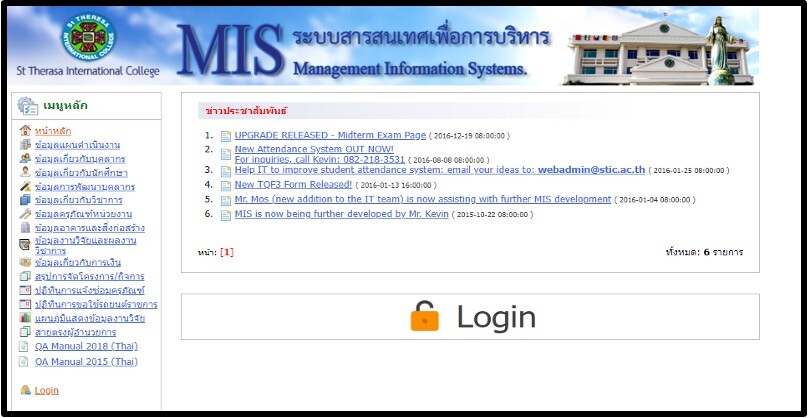
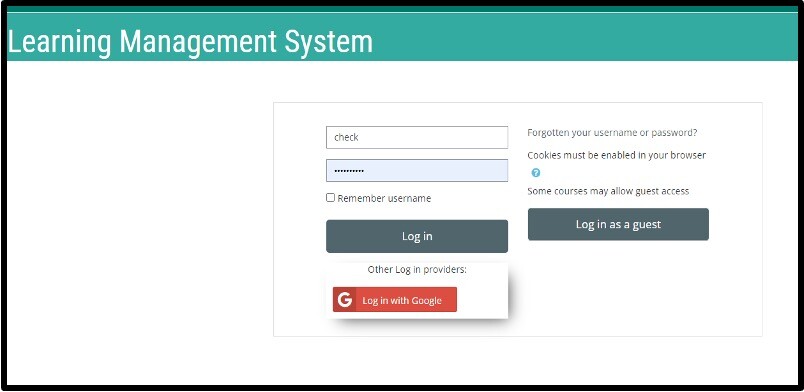
4.3 ระบบ LMS ช่วยให้อาจารย์สามารถทำการทดสอบออนไลน์ผ่านระบบอินเทอร์เน็ตได้ โดยการอัพโหลดข้อสอบลงไปในระบบและให้นักศึกษาทำแบบทดสอบด้วยตนเองจากที่บ้าน ซึ่งเป็นการอำนวยความสะดวกให้แก่นักศึกษาในอีกทางหนึ่ง
4.4 เว็บไซต์ของมหาวิทยาลัยฯ ช่วยให้ผู้ที่สนใจเข้ามาศึกษาในสาขาวิชาฯ สามารถค้นหาข้อมูลเพื่อประกอบการตัดสินใจในการเข้ามาเรียนได้ทุกที่ ทุกเวลา

4.5 ระบบเรดาร์ ช่วยให้นักศึกษาสามารถฝึกปฏิบัติการควบคุมจราจรทางอากาศโดยใช้เรดาร์เสมือนปฏิบัติงานจริงได้

- ระบบการติดตามผลบัณฑิต เพื่อติดตามภาวะการมีงานทำของบัณฑิตหลังจบการศึกษา และเพื่อการสอบถามถึงคุณภาพของบัณฑิตจากผู้ประกอบการ ดังที่กล่าวไปแล้วในข้อที่ 2 (Employability as well as self employment, entrepreneurship, and advancement to further studies, are shown to be established, monitored, and benchmarked for improvement.)
หลักฐาน
- มคอ.2
- Mapping PLOs ของแต่ละรายวิชา
- ผลการเรียนของนักศึกษารายชั้นปี
- ผลความพึงพอใจของนักศึกษาต่อสิ่งสนับสนุนการเรียนรู้
- ข้อมูลภาวะการมีงานทำของบัณฑิตหลังสำเร็จการศึกษา
- ระบบทะเบียนและระบบการศึกษา
- ระบบสนเทศเพื่อการบริหาร (MIS)
- ระบบ LMS
- เว็บไซต์ของมหาวิทยาลัยฯ
8.5 Satisfaction level of the various stakeholders are shown to be established, monitored, and benchmarked for improvement.
การดำเนินการ
ก่อนสิ้นปีการศึกษา หลักสูตรได้มีการสอบถามความพึงพอใจของภาคส่วนต่าง ๆ ที่เกี่ยวข้องกับหลักสูตรทั้งในส่วนของอาจารย์ผู้สอน นักศึกษา บัณฑิต ผู้ประกอบการ และผู้ใช้บัณฑิต เพื่อนำข้อมูลที่ได้มาวิเคราะห์และปรับปรุงคุณภาพของหลักสูตร เพื่อให้ทราบถึงจุดแข็งและจุดอ่อนของสาขาวิชาฯ รวมทั้งได้ทราบถึงความต้องการที่แท้จริงของสถานประการ เพื่อนำคำแนะนำเหล่านั้นกลับมาปรับปรุงแก้ไขและผลิตบัณฑิตที่มีคุณภาพออกสู่ท้องตลาดต่อไป
โดยทางสาขาวิชาฯ ได้แจกแบบสอบเพื่อการประเมินให้แก่ผู้ที่มีส่วนได้ส่วนเสียในการประเมินตามหัวข้อต่าง ๆ ดังหลักฐานตามแนบ
หลักฐาน
- แบบประเมินความพึงพอใจของนักศึกษาที่มีต่ออาจารย์
- แบบประเมินความพึงพอใจของอาจารย์ที่มีต่อสิ่งสนับสนุนการเรียนรู้
- แบบประเมินความพึงพอใจของผู้ใช้บัณฑิต
- แบบประเมินความพึงพอใจของนักศึกษาต่อหลักสูตรและจัดการเรียน
- ตัวอย่างแบบประเมินจากผู้ใช้บัณฑิต
- ตัวอย่างแบบประเมินจากสถานการประกอบการต่อนักศึกษา
Evidence
Self-Assessment
| Requirements | Result | Score |
| 8.1 The pass rate, dropout rate, and average time to graduate are shown to be established, monitored, and benchmarked for improvement. | / | 1 |
| 8.2 Employability as well as self-employment, entrepreneurship, and advancement to further studies, are shown to be established, monitored, and benchmarked for improvement. | / | 1 |
| 8.3 Research and creative work output and activities carried out by the academic staff and students, are shown to be established, monitored, and benchmarked for improvement. | / | 1 |
| 8.4 Data are provided to show directly the achievement of the programme outcomes, which are established and monitored. | / | 1 |
| 8.5 Satisfaction level of the various stakeholders are shown to be established, monitored, and benchmarked for improvement. | / | 1 |
| Overall | 5 | |